
Best QA Tools 2026: What Every Software Team Should Be Using
Quality assurance is a core part of modern software development.
As applications grow more complex and users expect flawless experiences across platforms, QA teams play a key role. They catch bugs early, maintain stability, and help ensure products ship with confidence.
From web apps and enterprise software to gaming and live services, effective QA directly impacts user satisfaction, retention, and long-term product success.
In 2026, QA tools are evolving faster than ever.
Traditional manual testing is no longer enough on its own. Teams now rely on automation, AI-assisted testing, and deep integrations with development pipelines to keep up with rapid release cycles.
Staying up to date with the latest QA testing tools is essential for teams that want to scale efficiently, reduce human error, and deliver high-quality software without slowing development.
In this article, we’ll cover the best QA tools 2026 across multiple categories.
These include QA automation tools, bug tracking and issue management platforms, performance and load testing solutions, and productivity tools.
What Makes a Great QA Tool in 2026?
A great QA tool in 2026 goes far beyond basic test execution.
Modern software QA tools must fit seamlessly into fast-moving development environments. At the same time, they need to help teams automate more and test smarter.
Integration with CI/CD pipelines is now a baseline requirement. It allows tests to run automatically on every build, catch regressions early, and support continuous delivery workflows.
AI-powered capabilities are another defining factor.
Many of the best QA automation tools now use AI for QA automation, test maintenance, and analytics. This helps teams reduce flaky tests and identify risk areas faster.
These AI tools for QA testing can dramatically cut down manual effort while improving test coverage.
Cross-platform support is also essential. QA teams often test web, mobile, desktop, and even game builds at the same time.
On top of that, usability, scalability, and cost all matter.
Tools should be easy for QA engineers to adopt, flexible enough to grow with the team, and priced realistically for long-term use.
Finally, strong automation and productivity features set top-tier QA tools apart.
Whether it’s automated mouse click utilities for repetitive UI testing or full AI-driven test frameworks, the best tools help QA teams spend less time on repetitive tasks and more time improving software quality.
Top QA Automation Tools in 2026
QA automation remains the backbone of efficient testing in 2026.
The tools below stand out for their reliability, flexibility, and ability to scale with modern development workflows.
1. Testim
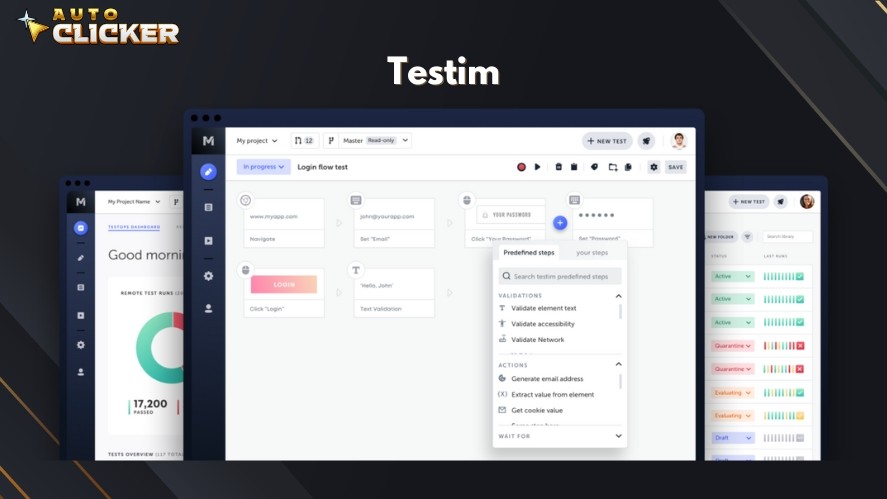
Testim is a leading AI-powered QA automation tool designed to simplify test creation and long-term maintenance.
It uses machine learning to generate stable tests that are more resilient to UI changes, which significantly reduces flaky failures.
Testim also integrates smoothly with popular CI/CD tools. That makes it a strong choice for teams practicing continuous testing and rapid deployment.
Its balance of advanced automation and ease of use makes it especially appealing for growing QA teams.
2. Selenium
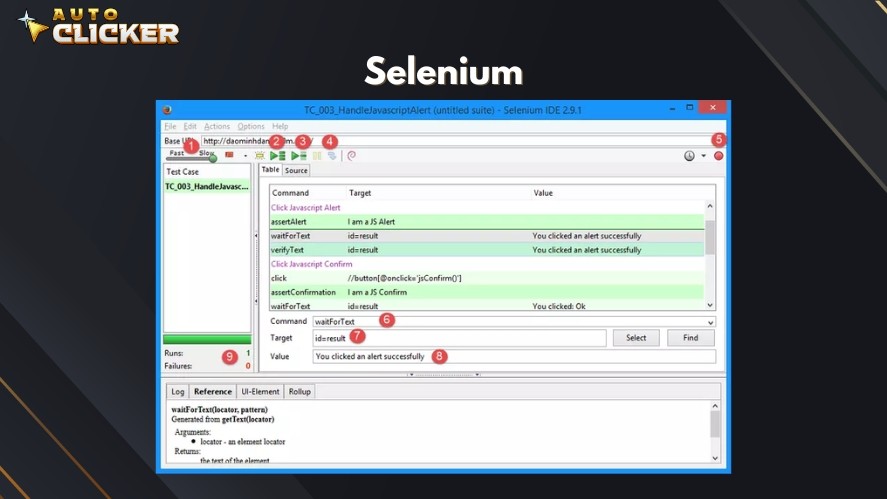
Selenium remains one of the most widely used software QA tools in the industry.
As an open-source framework, it offers extensive browser-based automation support and works across multiple programming languages.
Its massive community and plugin ecosystem give teams access to countless integrations, tutorials, and extensions.
While it may require more setup than newer tools, Selenium continues to be a dependable foundation for large-scale automation projects.
3. Playwright
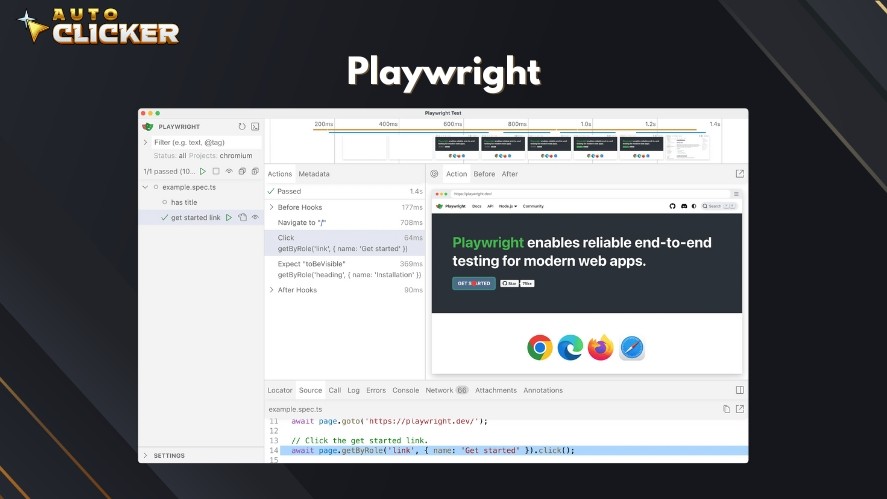
Playwright has emerged as a modern alternative to Selenium. It offers faster execution and more consistent results across browsers.
It supports multiple browsers and programming languages out of the box. This makes cross-platform testing more efficient.
Playwright excels in headless and parallel testing scenarios. It’s especially well-suited for teams running large automated test suites within CI/CD pipelines.
4. Cypress
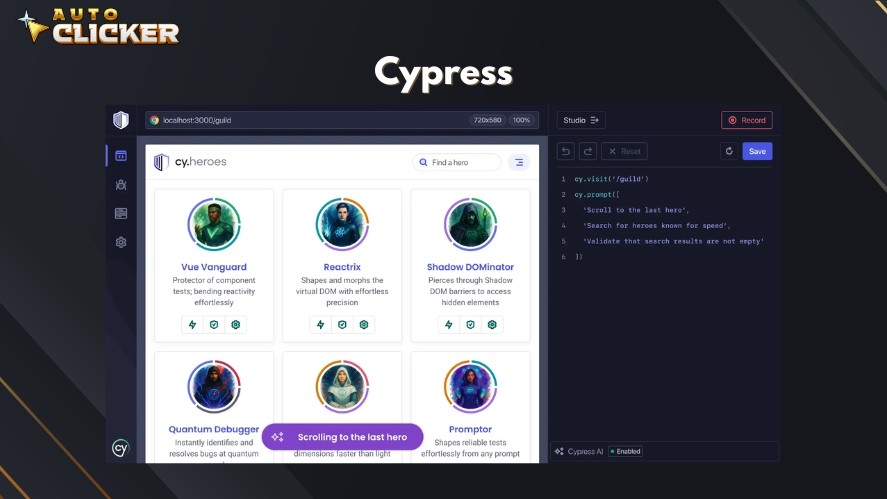
Cypress is a popular choice for frontend-focused QA automation.
It’s easy for developers to set up and use, thanks to a developer-friendly API and strong documentation.
Cypress runs tests quickly and provides real-time feedback, allowing teams to debug issues as they happen.
For web applications where frontend stability and speed matter most, Cypress remains a top-tier option in 2026.
Best QA Tools 2026 for Bug Tracking and Issue Management
Effective bug tracking and issue management tools help QA and development teams work together smoothly. They make it easier to prioritize issues and ship stable software on time.
In 2026, the best tools focus on flexibility, clear workflows, and strong integration with modern development stacks.
5. Jira

Jira remains one of the most widely used bug tracking tools for agile and Scrum teams.
It integrates deeply with development platforms like GitHub, GitLab, and CI/CD pipelines. This allows teams to link bugs directly to code changes and releases.
Jira also offers highly customizable workflows. Teams can adapt it to different processes, whether they are small startups or large enterprises.
6. Bugzilla
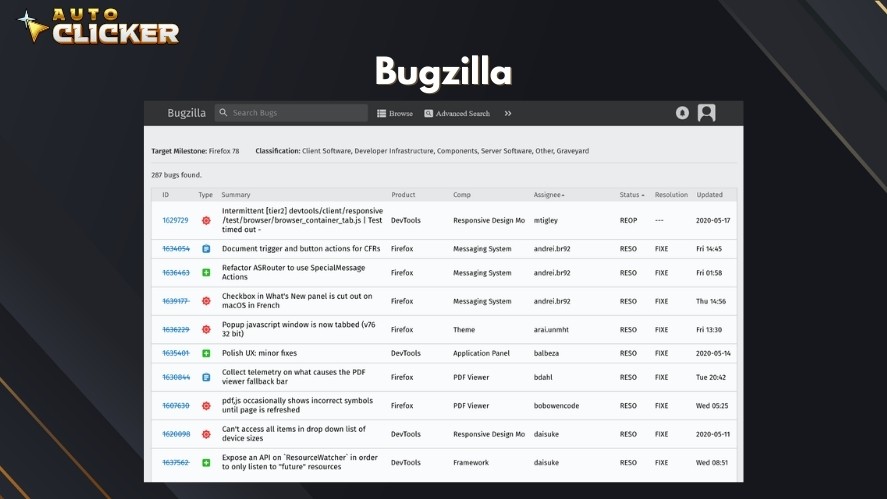
Bugzilla is a long-standing, open-source issue tracking tool known for its reliability.
It works well for enterprise projects that need detailed control over bug states, permissions, and workflows.
While the interface feels more traditional, Bugzilla remains a solid option. It suits teams that value stability, transparency, and full control over their data.
7. Linear

Linear is a modern issue management tool built for speed and simplicity.
Its clean interface and fast performance make it a strong fit for fast-moving product teams.
Linear integrates smoothly with popular development tools. It’s especially appealing to teams that prefer streamlined workflows over heavy customization.
Best QA Tools 2026 for Performance and Load Testing
Performance and load testing tools help QA teams see how applications behave under real-world traffic. They reveal how systems respond to stress, spikes, and heavy usage.
In 2026, these tools are essential for finding bottlenecks early and keeping software fast and stable at scale.
8. Apache JMeter
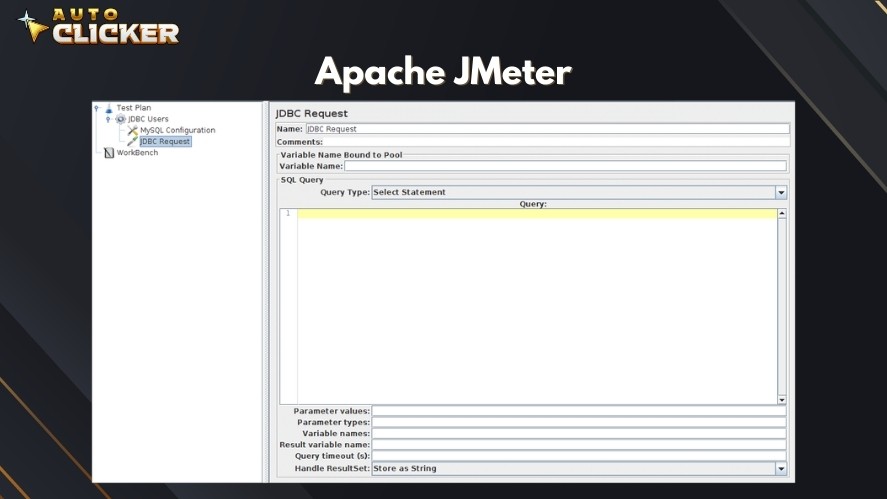
Apache JMeter is a popular open-source tool for load and performance testing.
It supports many protocols, including web applications, APIs, FTP, and databases. This makes it a flexible option for different testing scenarios.
JMeter is especially effective for simulating large numbers of users. It helps teams understand how systems perform under pressure, which is critical for enterprise and high-traffic applications.
9. k6
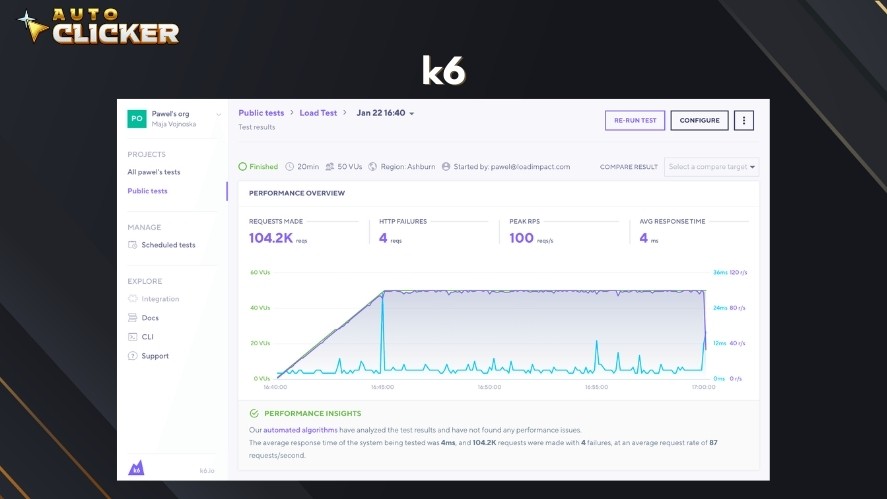
k6 is a modern performance testing tool designed for automation and ease of use.
It uses a simple scripting approach that is easy to learn and maintain. This makes it accessible for both QA engineers and developers.
k6 integrates smoothly with CI/CD pipelines. It works well for teams that treat performance tests as code and run them as part of their regular development workflow.
Productivity and Automation Utilities for QA Teams
Beyond core testing frameworks, productivity and automation tools help QA teams move faster. They reduce repetitive manual work and support everyday testing tasks.
This frees up time for deeper validation and higher-value quality checks.
10. Auto Clicker on Steam
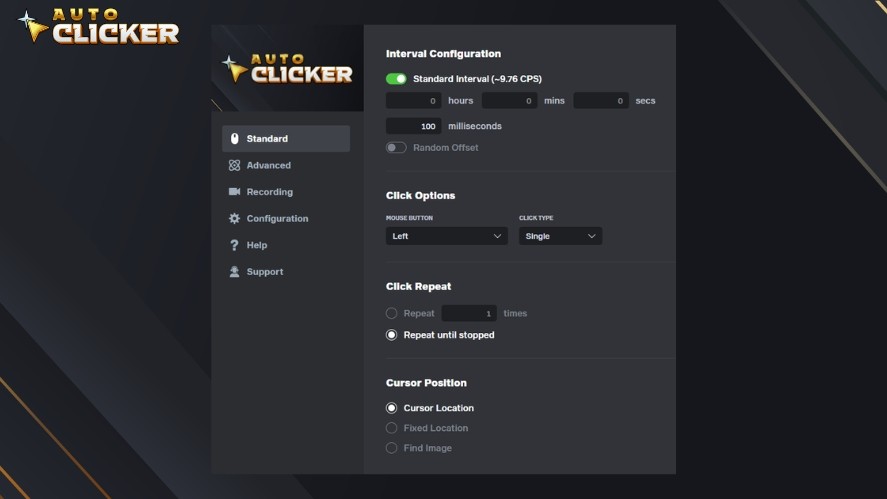
Auto Clicker on Steam is a lightweight clicking tool for simulating automated mouse clicks.
It is not a full QA automation platform. However, it is a top-rated automated clicker for UI testing scenarios that require repeated interactions.
QA testers often use it to stress-test buttons, menus, forms, or in-game interfaces. Automating these repetitive clicks saves time during manual test sessions and reduces hand fatigue.
In cases where scripting is unnecessary or too complex, Auto Clicker on Steam works well as a simple supporting tool alongside existing automated tests.
Read More: What is an Auto Clicker and Why You Might Need One
11. Postman
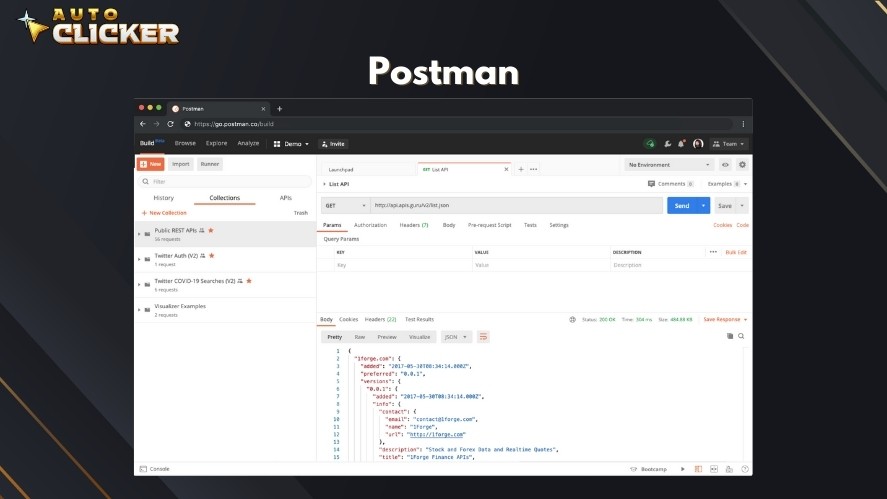
One of the most popular tools for testing APIs is Postman.
It allows teams to send requests, validate responses, and manage environments with ease. QA and development teams commonly use it together during development and testing.
With support for collections and automated tests, Postman helps catch API issues early. This improves reliability before changes reach production.
12. BrowserStack
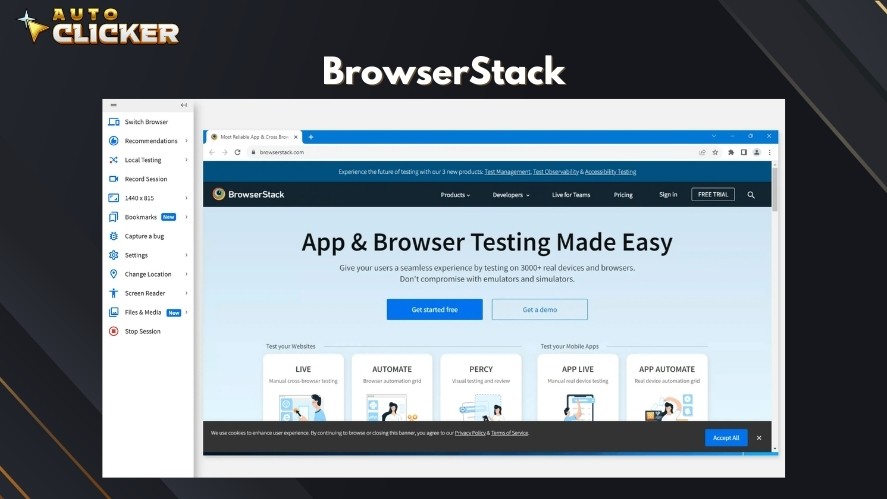
BrowserStack is a cloud-based platform for cross-browser and cross-device testing.
It lets QA teams test applications on real devices and operating systems without maintaining physical hardware. This is especially useful for teams supporting multiple browsers, platforms, and screen sizes.
BrowserStack helps ensure consistent behavior across environments. It reduces the risk of browser-specific bugs reaching users.
Conclusion
In 2026, effective QA depends on using the right mix of tools.
Automation frameworks, bug tracking systems, performance testing tools, and productivity utilities all play important roles. And these best QA tools 2026 address different parts of the quality process.
Supporting utilities such as Auto Clicker on Steam further improves workflows by reducing repetitive manual effort.
The best QA stack depends on your team’s workflow, product type, and technical skills. By testing and combining AI tools for QA automation carefully, teams can build a QA process that is efficient, reliable, and ready to scale.

Best Auto Clicker for Windows in 2026 (Updated & Ranked)

Auto Clicker Safety: How to Use Auto Clickers Without Risk

Auto Clicker for Accessibility and Assistive Technology
About The Author
